Quick practical answer: which camping gadgets actually matter
If you want tech that makes a real difference on a trip, focus on four categories: reliable power, dependable lighting, temperature control (fans or heated layers), and basic entertainment/communication. The single most useful item for most car-camp or basecamp trips is a portable power station; for lightweight backpacking, a high-capacity power bank and efficient headlamp are the priorities.
This article explains why each category matters, the practical choices within them, and trade-offs so you can pick gear that fits your trip length, transport method, and climate.
How to choose a power solution that matches your trip
Start by estimating daily watt-hours: phone (10–20 Wh), light/lamp (5–30 Wh), fan (10–50 Wh), small fridge or kettle (hundreds to thousands of Wh). For a weekend car-camp where you’ll charge phones, run lights and maybe a fan, a 200–500Wh portable power station comfortably covers needs; for multi-day remote stays, double that or add portable solar.
For backpacking, weight matters: choose a 10,000–20,000mAh power bank (roughly 37–74Wh) and prioritize fast-charging USB-C PD for phones and cameras. Look for IP-rated cases if your route is wet or dusty.
Trade-offs: power stations are heavier but more versatile (AC outlets, multiple ports). Power banks are light but limited to USB devices. Solar can offset capacity but needs daylight and a good panel angle.
When you need centralized, quiet power with AC outlets for a camp kettle, lights and multiple devices, a mid-size portable power station is the practical option. The Rank #2 product above suits car-campters who want plug-and-play capacity without managing multiple batteries.
Lighting and visibility choices that reduce hassle
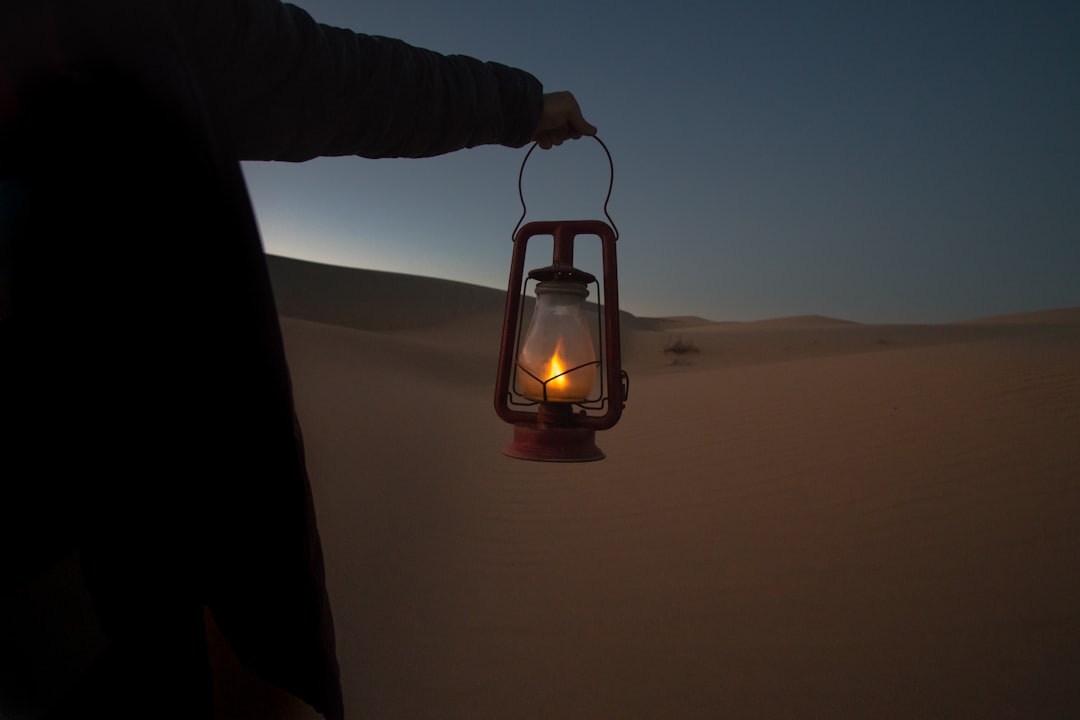
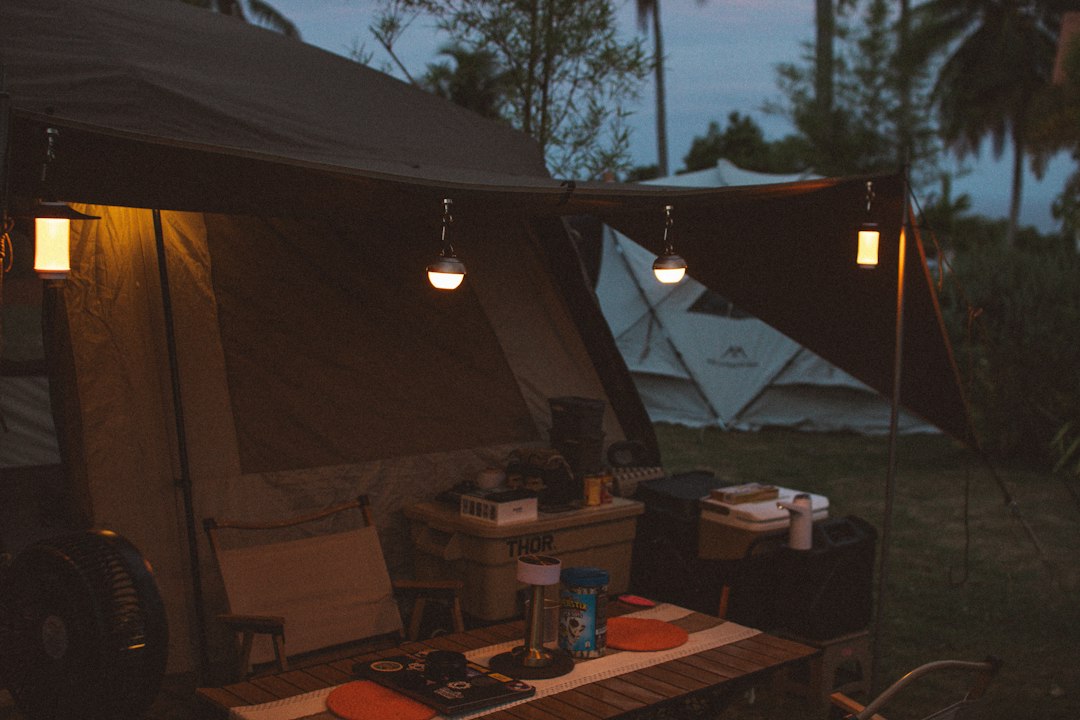
Good lighting reduces accidents and extends usable evening hours. Choose layered lighting:
- Headlamp for hands-free tasks—pick one with a red-light mode and adjustable beam.
- A 360° lantern for communal areas—LEDs with dimming save battery.
- Small task lights or clip lamps for cooking/reading.
Battery type matters. Rechargeable lanterns cut waste and pair well with your power station or power bank; however, keep spare AA/AAA options for long wilderness trips where recharging isn't possible. See our campsite lighting options in the Camping Lanterns guide for specific models and lumen comparisons.
Cooling and airflow: fans and clothing decisions
Heat discomfort is one of the fastest ways to ruin a trip. For still, humid conditions, a rechargeable camping fan offers immediate relief and uses far less power than an air conditioner. For sleeping comfort, a small, efficient fan placed low in the tent improves airflow and reduces condensation.
For lightweight trips, prioritize breathable layers and a compact fan or neck fan. For family car-camping, a higher-capacity rechargeable fan can run from your power station all evening.
Related product types include battery-powered fans with built-in rechargeable cells—good for mixed-use when mains power isn't available. Browse our Rechargeable Camping Fans collection to compare runtimes and airflow.
Communications and entertainment: what actually improves the trip
A waterproof Bluetooth speaker boosts campsite morale, but choose one with decent battery life and a rugged rating if you want it by water or on dusty beaches. For safety, carry a phone with offline maps and a small emergency beacon or satellite communicator if you’ll be outside cell range.
Decide based on use-case: a compact 10–20W speaker is fine for background sound; larger groups or music lovers will want more wattage and bass. If you plan to stream music while charging, factor that into your power budget.
Kitchen and small-appliance tech to simplify meals
Electric kettles, mini fridges and immersion cookers can be convenient at basecamp, but they draw big power. Match any cooking appliance to your power station’s continuous and peak output—brief high-watt draws (like kettles) can trip smaller inverters.
Lower-tech alternatives often win: efficient camp stoves, pour-over coffee setups, and insulated mugs use negligible power and are more reliable for remote trips.
Durability, waterproofing and charging standards that matter
For any device you plan to use outdoors, check IP ratings, connector types (USB-A vs USB-C PD), and supported charging speeds. USB-C Power Delivery is now the practical standard for fast charging phones and some laptops; a PD-capable power station or bank makes charging simpler and faster.
Don't overlook cable quality: a single heavy-duty USB-C cable is more useful than several fragile ones. Pack a small repair kit (duct tape, paracord, zip ties) for unexpected gear failures.
Accessories and small decisions that save trouble
- Bring a multi-port USB charger if you’re sharing outlets at basecamp.
- Label cables and keep them in a small pouch—reduces lost time and broken wires.
- Pack a small surge protector when using sensitive electronics through an inverter.
- Use a dry bag or Ziploc for electronics when conditions are wet or snowy.
Want specific picks? See 6 camping gadgets under $60 that earn their space: light, power, airflow and bug control, with the honest catch for each.
Internal links for next steps
If you want to compare gadget choices across budgets, read How to Choose the Right Tech Gadget Without Overspending. For what to pack on travel-focused trips, see Tech Travel Essentials. If you need help arranging charging for multiple devices, consult How to Choose the Best Charging Setup for Multiple Devices.

- Estimate daily watt-hours for your devices and choose a power solution that covers it.
- Pack layered lighting: headlamp + lantern + task light.
- Select a cooling strategy: breathable layers or a rechargeable fan depending on climate.
- Pick at least one rugged, waterproof charging cable and a small cable pouch.
- Match any cooking appliance to your power station’s continuous output rating.
Bring only the tech that solves a clear problem for your trip: power stations for sustained off-grid use, compact banks and efficient lights for weight-sensitive trips, and a few rugged accessories to keep everything working in bad weather. Prioritize runtime, durability and connector standards over bells and novelty features.
Do I need a portable power station for a weekend trip?
Not always—if you’re car-camping and want to run small appliances or multiple devices reliably, yes; for charging phones and a light, a power bank and solar panel can suffice.
Which is better for tents: lantern or headlamp?
Both. Use a headlamp for hands-free tasks and a lantern for shared ambient light; rechargeable lanterns paired with your power source are efficient.
How long will a camping fan run on a power bank?
Runtime depends on fan wattage and battery capacity, but many smaller fans run 6–12 hours on a 20,000mAh pack; always check device wattage and calculate watt-hours.
What charging standard should I prioritize?
USB-C Power Delivery is the most practical for speed and device compatibility; ensure your power station or bank supports PD if fast charging phones or laptops matters.
Are waterproof speakers worth it for camping?
Yes if you'll be near water or rain—an IPX7-rated speaker survives brief submersion and is more durable around campsites.